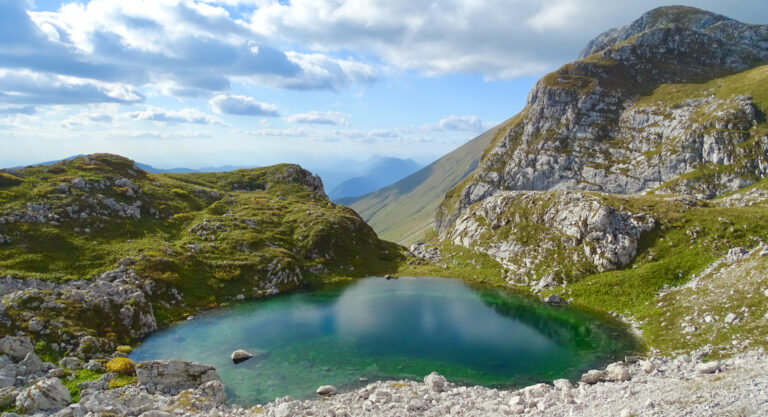
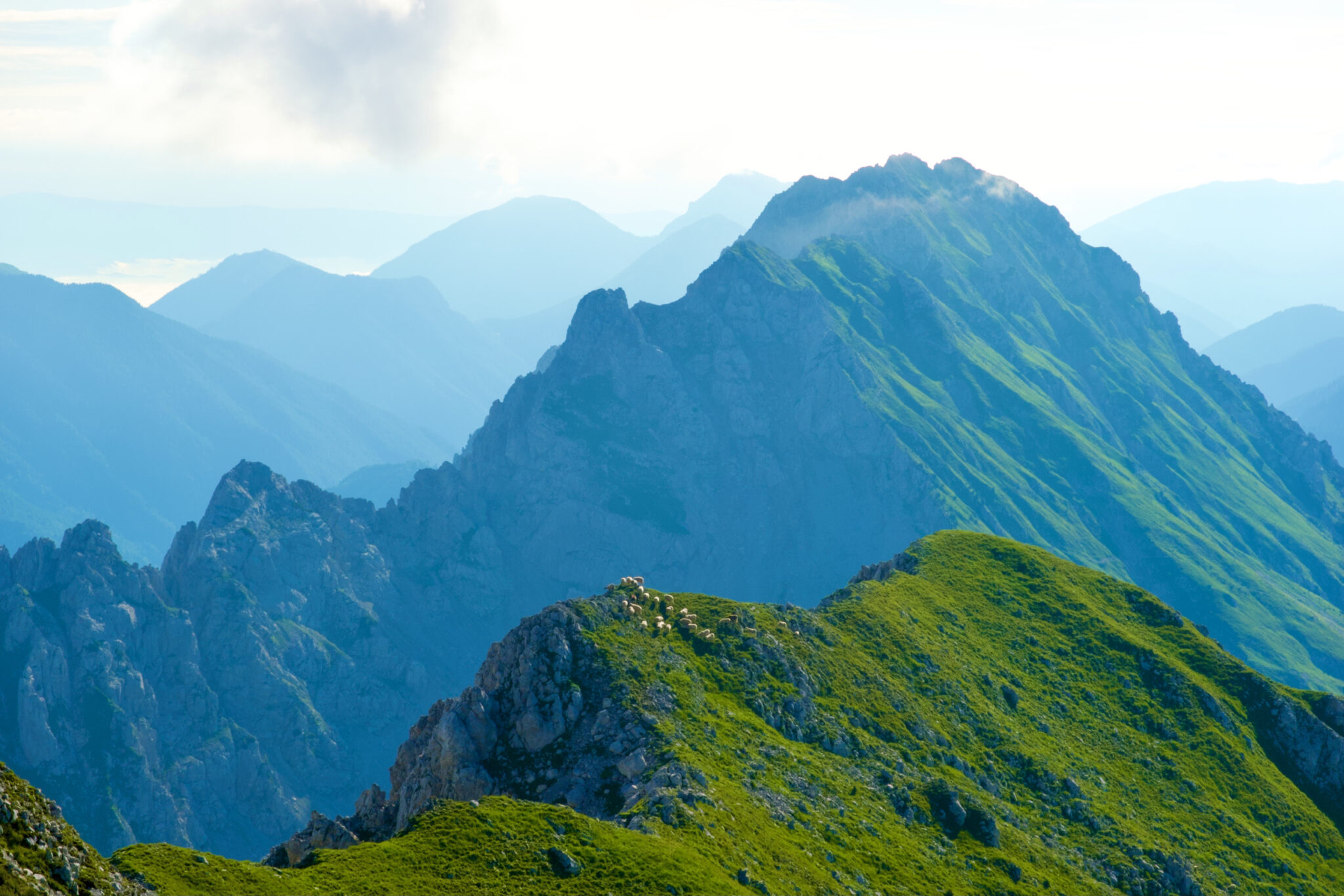
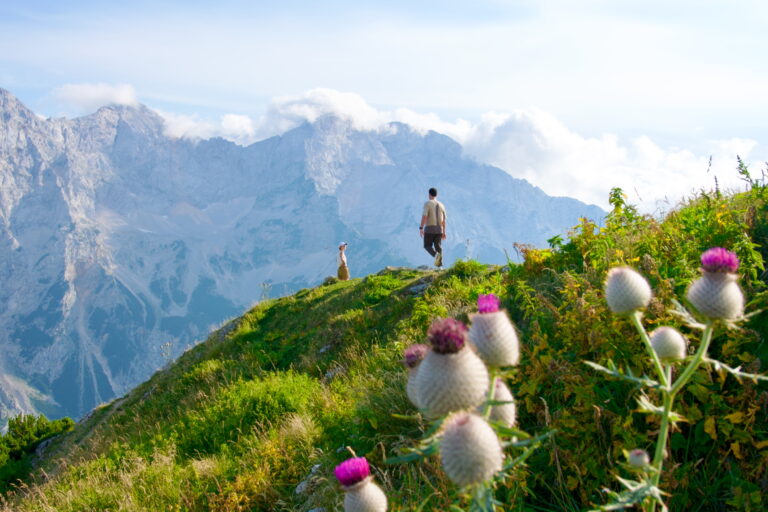
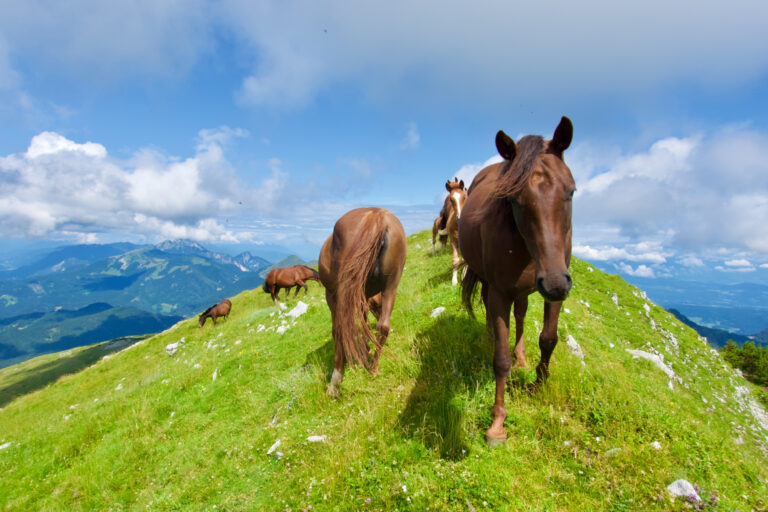
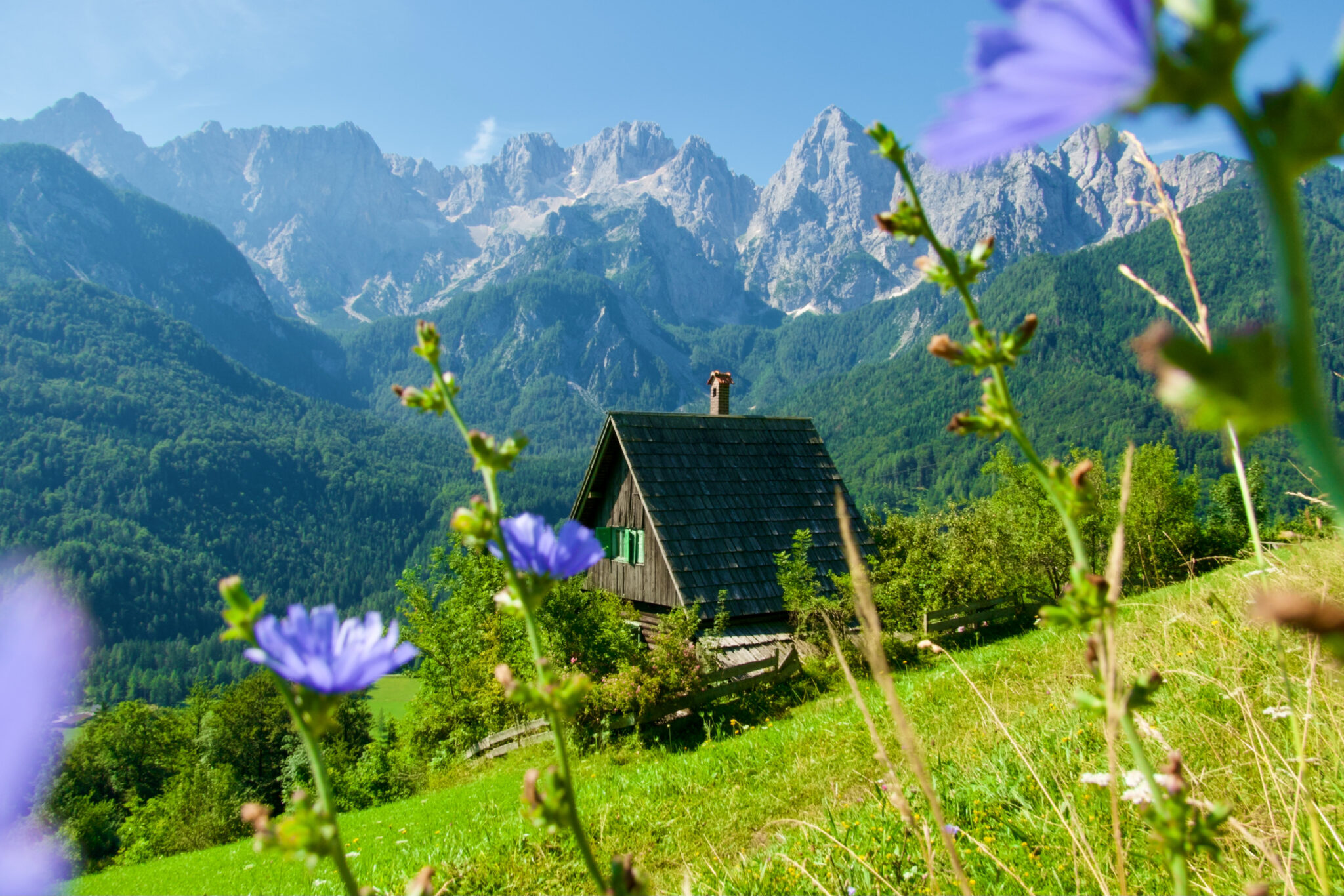
Slovenia’s rugged mountains dominate the skyline of its lush green landscapes. Water-rich valleys stretch into the foothills of the Alps, while hiker-friendly huts dot the terrain. Horses and sheep roam freely across verdant peaks scattered along lofty, windswept ridges. Although only 3.6% of the Alps lie in Slovenia—making it the southeasternmost reach of Europe’s highest and most extensive mountain range—the alpine tradition here is strong, authentic, and inviting.
Yet, just a four-hour drive south, you enter Croatia—a Mediterranean gem with over a thousand islands, long pebble beaches, and remote coves perfect for private dips in crystal-clear waters, accompanied by the rhythmic hum of cicadas and the occasional call of a seagull overhead.
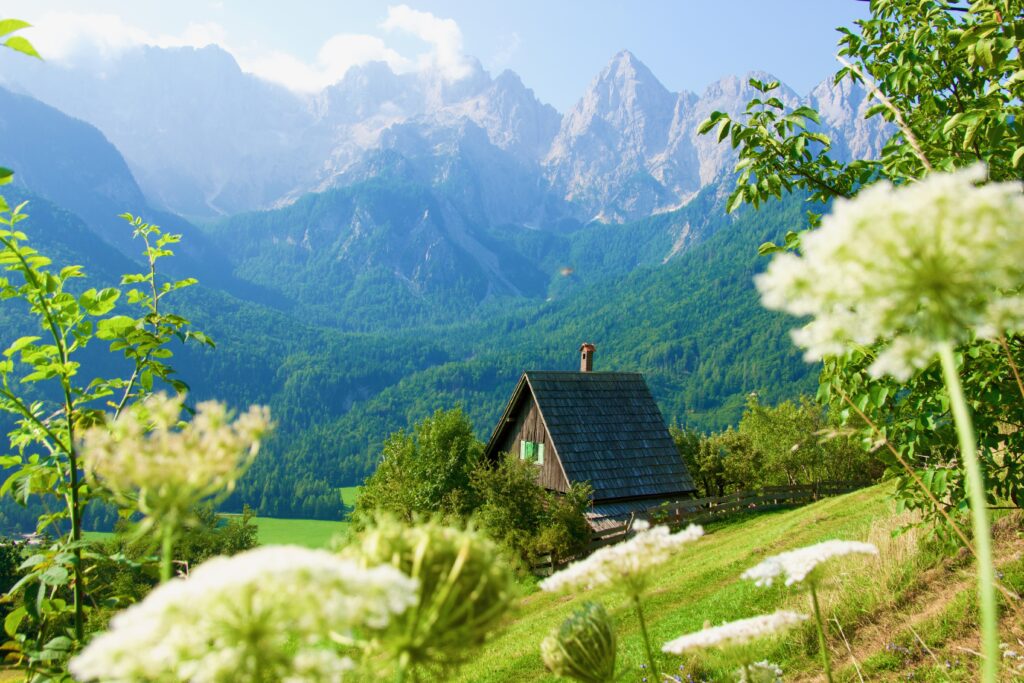
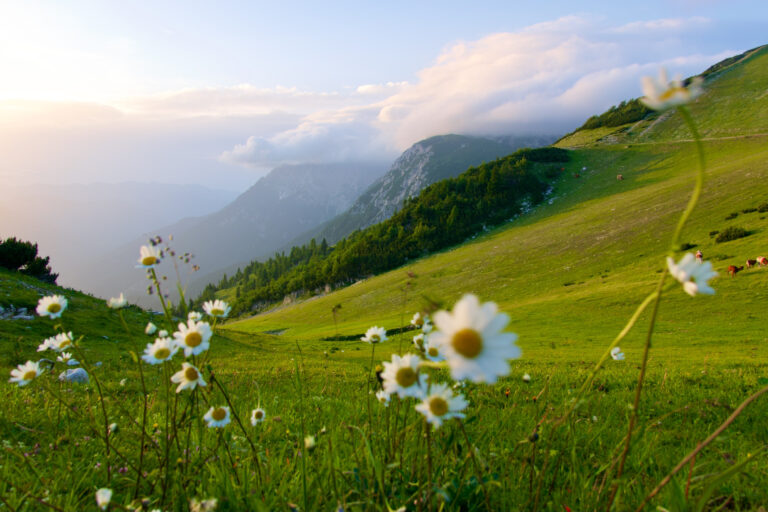
The adventure is long finished by now, yet I’m still enchanted — completely head over heels. Zgornje Jezersko, at 890 m, an alpine village in the heart of the beautiful Jezersko municipality in the Kamnik–Savinja Alps, inspires with its magic, authentic culture, friendly people, good food, and fairytale-like charm. The water-rich valley, where horses and sheep roam verdant meadows, creeps into vertical walls of high, rocky peaks, while gentle, low-lying green peaks line the length of the valley.
All you need is two days in Jezersko and you’ll fall in love for life. Stay any longer, and it’s likely you won’t want to leave again.
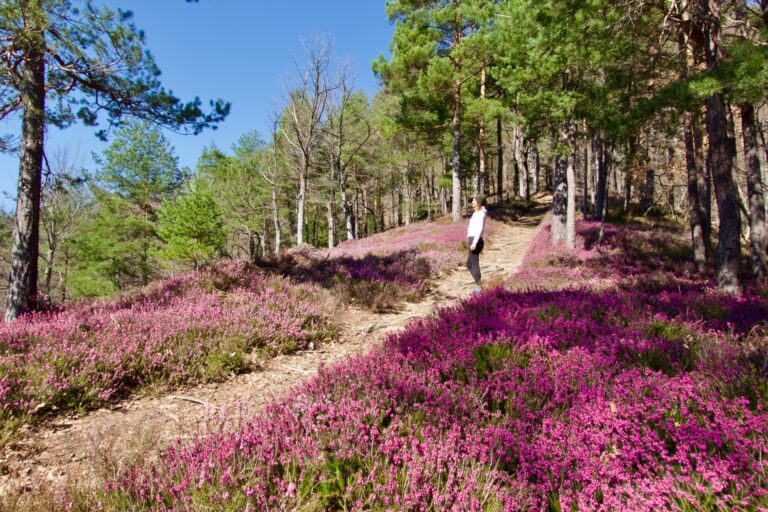
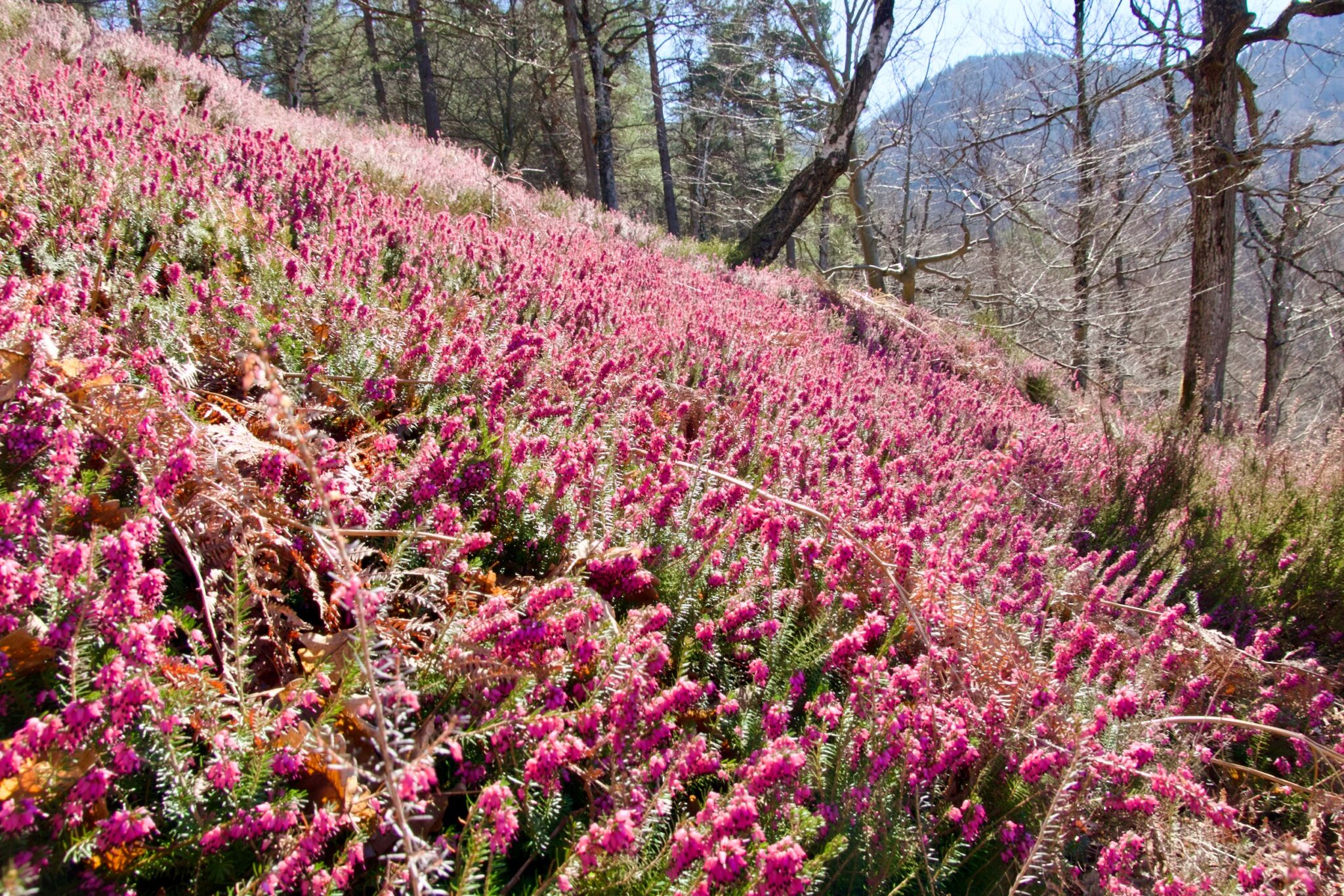
I love winter. I love everything about it. The light snowflakes filling the whole sky and the world turning calm and beautiful. However, when March rolls around, bringing the first warmer days and delicate little flowers, it’s next to impossible to go back to the cold. More likely than not you’ll see me exploring flower-speckled hills and forests than snowy mountains. And when larger parts of hills turn purple from the blooming heather, you can count me in!
This low-growing evergreen shrub is primarily found on moors, dunes, bogs, heaths and hillsides. Calluna vulgaris or heather is native to much of Europe and can be found in many parts of the northern US and Canada
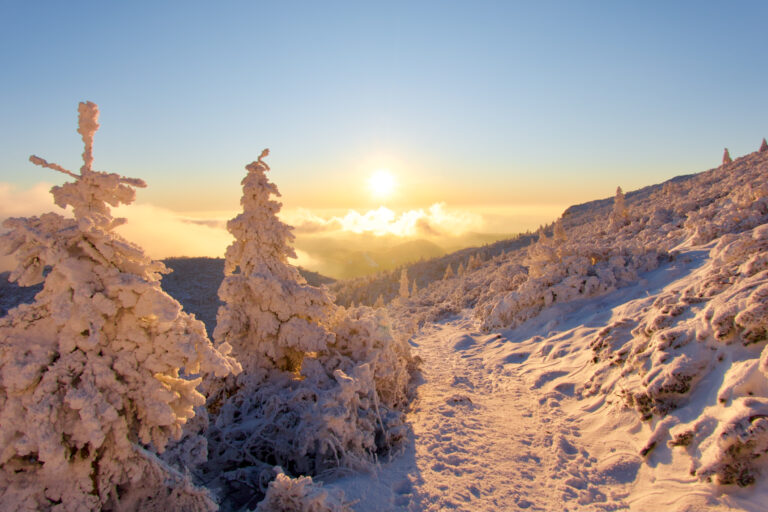
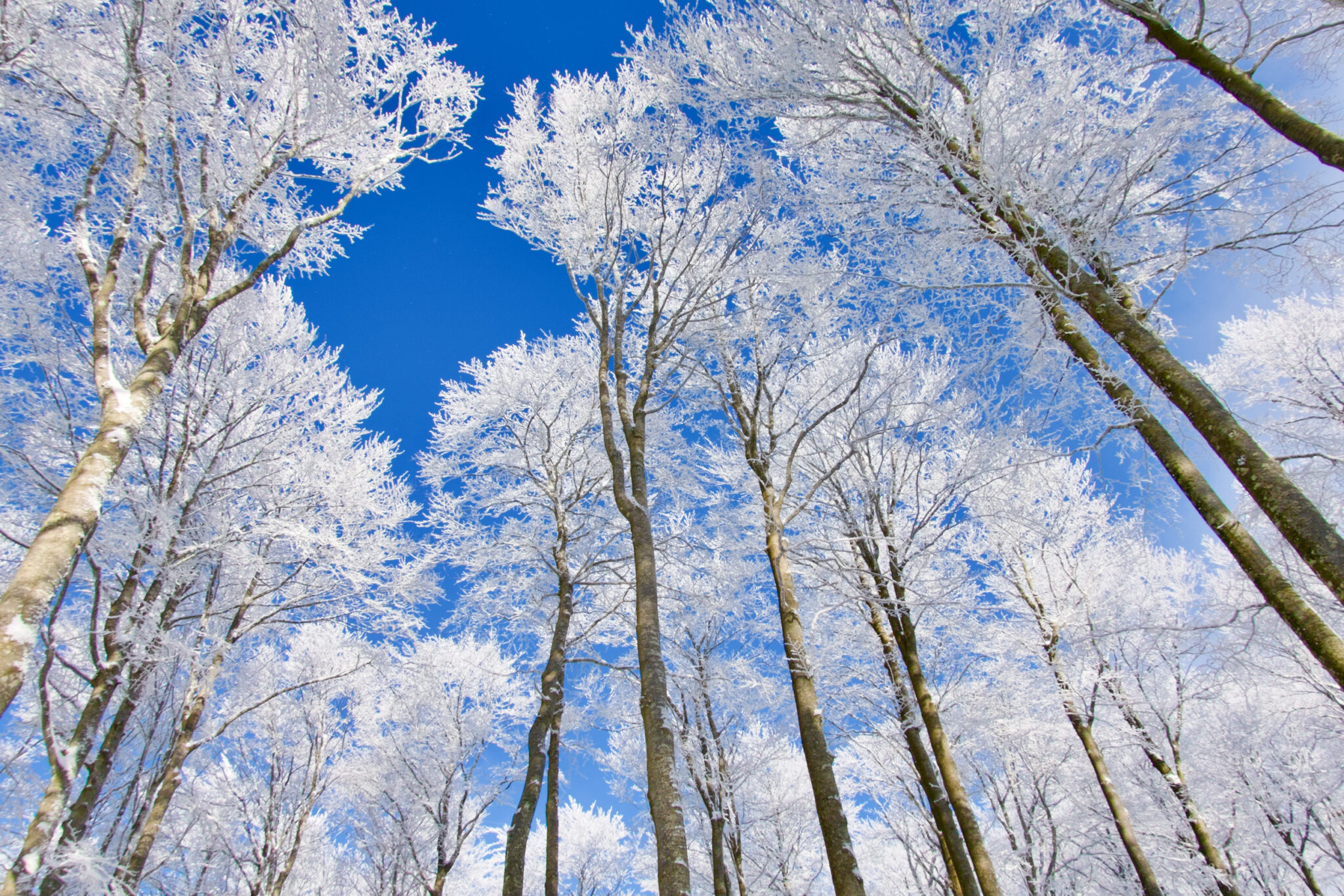
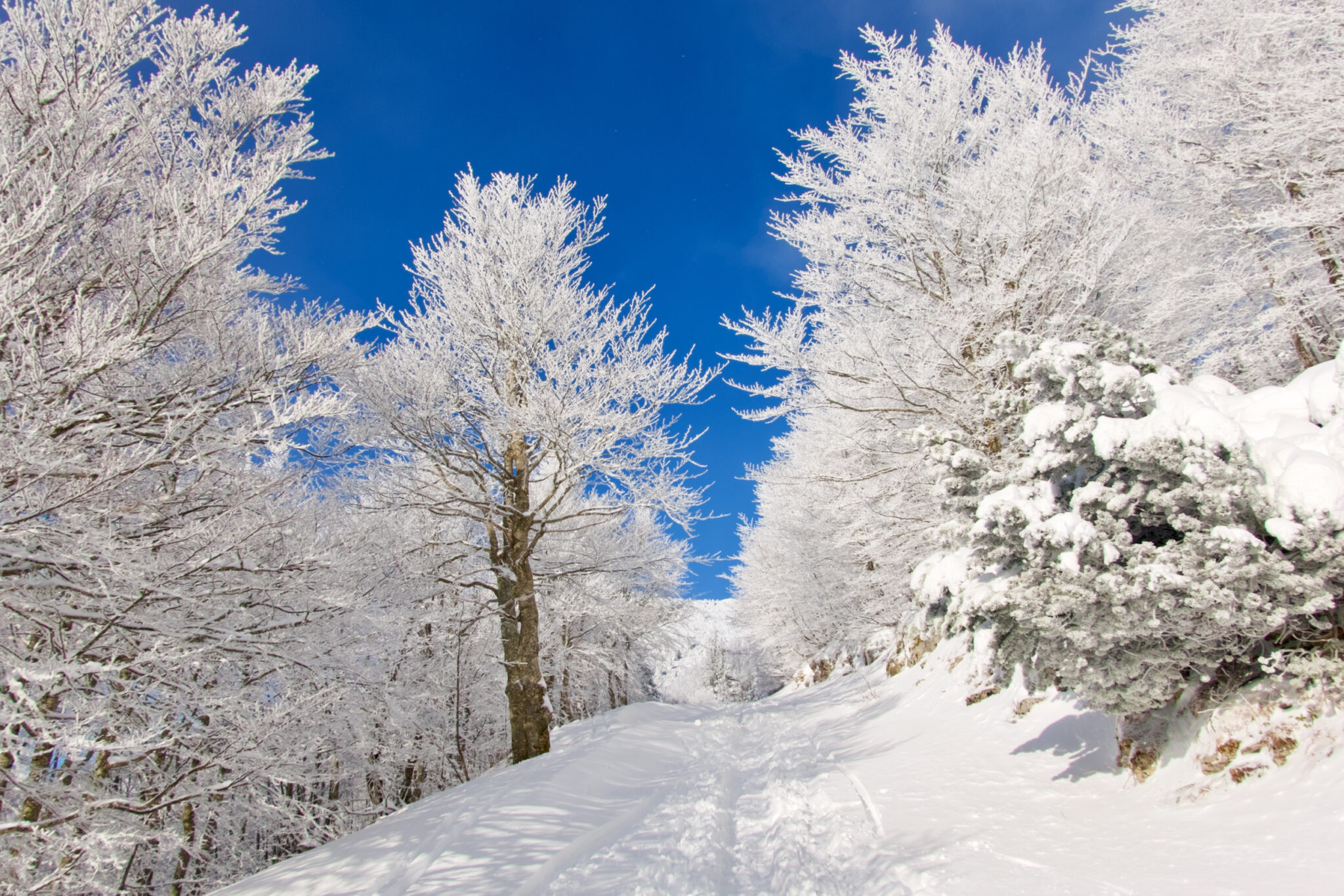
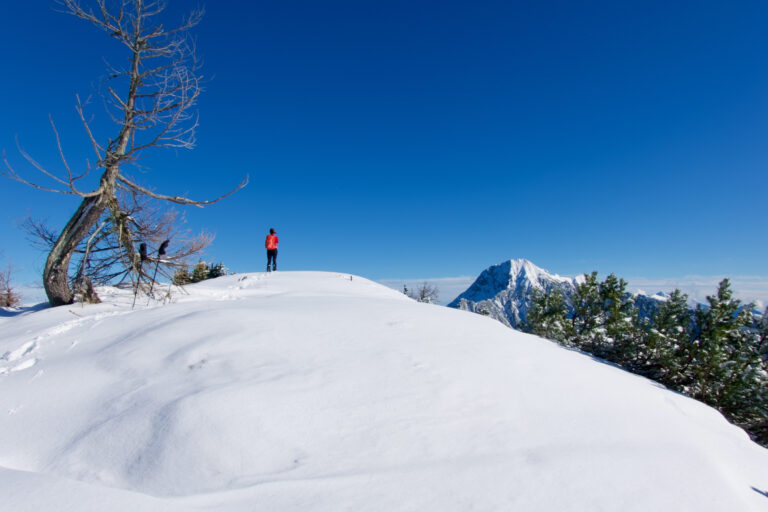
It seems that winter has its own ways on Mt. Snežnik, Slovenia’s highest non-alpine peak at 1,796 m. Only 28 km from the sea, it receives a comparable amount of precipitation as the Alps, which in combination with strong winds sometimes results in incredible snow sculptures – dwarf pine trees and spruces carved into a finest art display. At first glance, the landscape encapsulated in the clutches of the snow resembles Lapland, yet just a stone’s throw away, you’ll find its beautiful beech forest, for what the 793,9 ha Snežnik-Ždrolce primeval forests got included on the UNESCO World Heritage List in 2017. The tall beeches, whose branches become bare of leaves in winter, turn completely white and look delicately gentle set against the blue skies. A truly dreamy winter hike.
Those would be a few of the many reasons why Snežnik might just be the best winter hike in Slovenia.
It’s been a crazy year and an even crazier season, hiking and climbing in the beautiful Slovenian mountains. We’ve hit that dusty, muddy and even snowy trail countless times and have seen anything from the big elusive ibexes, mesmerizing sunrises and sunsets, to the cutest playful marmots. We’ve sweated together on steep slopes, tried to escape big thunderstorms, dipped into the freezing cold Soča river, enjoyed exposed climbs, and listened to relaxing music on our rides to the mountains. Those short moments together truly connected us into unique friendships.
It’s not easy to pick my personal favorite mountain tours of 2024, especially since grading cannot be based solely on the trails and beauty of the views, but also on quite coincidental factors like the weather, hut life, sparks within the groups, food and other well-being factors. All in all, of all incredible hikes and climbs we’ve shared, here are Exploring Slovenia’s five best mountain tours of 2024!
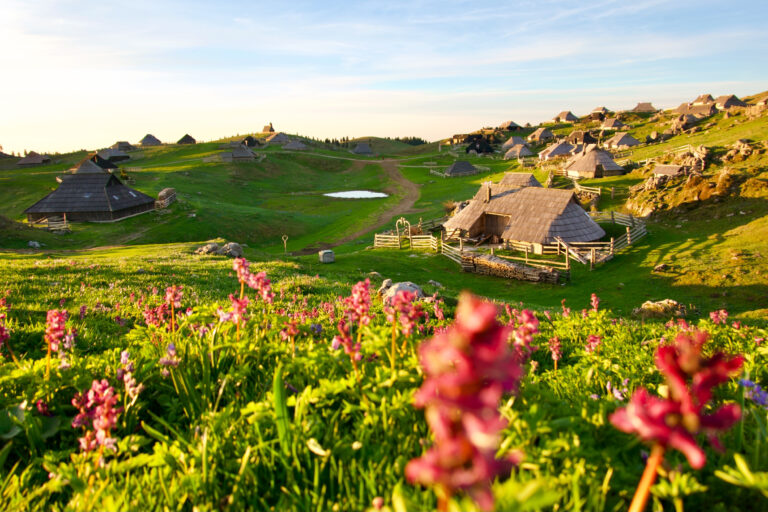
Set in one of Slovenia’s most beautiful locations, on a large alpine plateau called Velika Planina, these comfortable cabins run by Alpine Resorts are only a short hike away from the nearest parking lot or chair lift, and the area offers various hiking options.
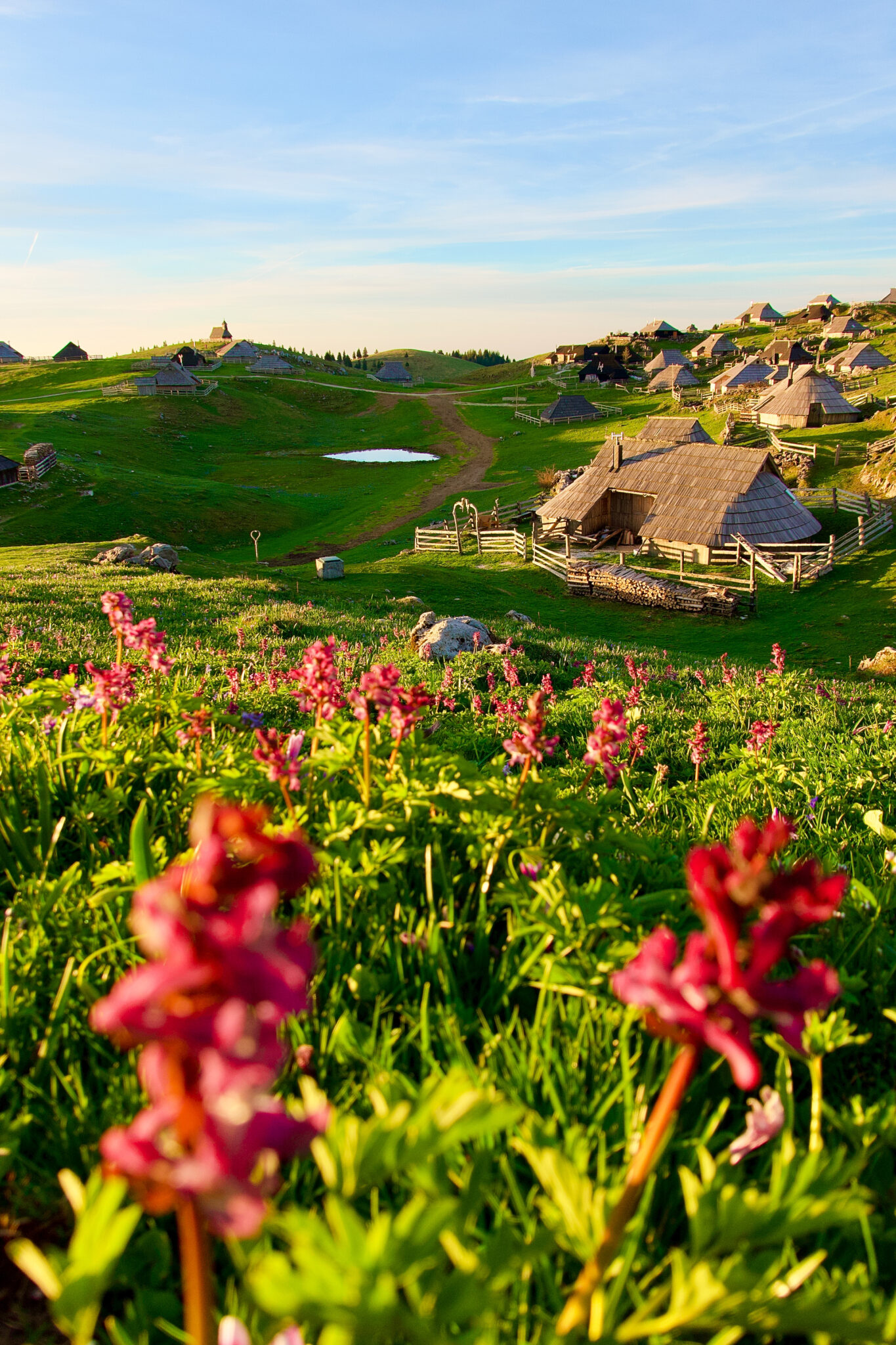
As the sun was announcing a new day, coming out shyly from behind the mountains, the old shepherds’ settlement of 64 enchanting oval wooden huts lit up in the most vibrant colors. First, the sun stroked the topmost huts, each inside a cute wooden fence where the cows used to rest after grazing. Then slowly the whole settlement lit up and the first purple spring flowers playfully brightened the freshly green meadows. A glimpse of heaven, I thought.
Here are twenty photos and a story about how we tackled to climb Mangart. Enjoy!
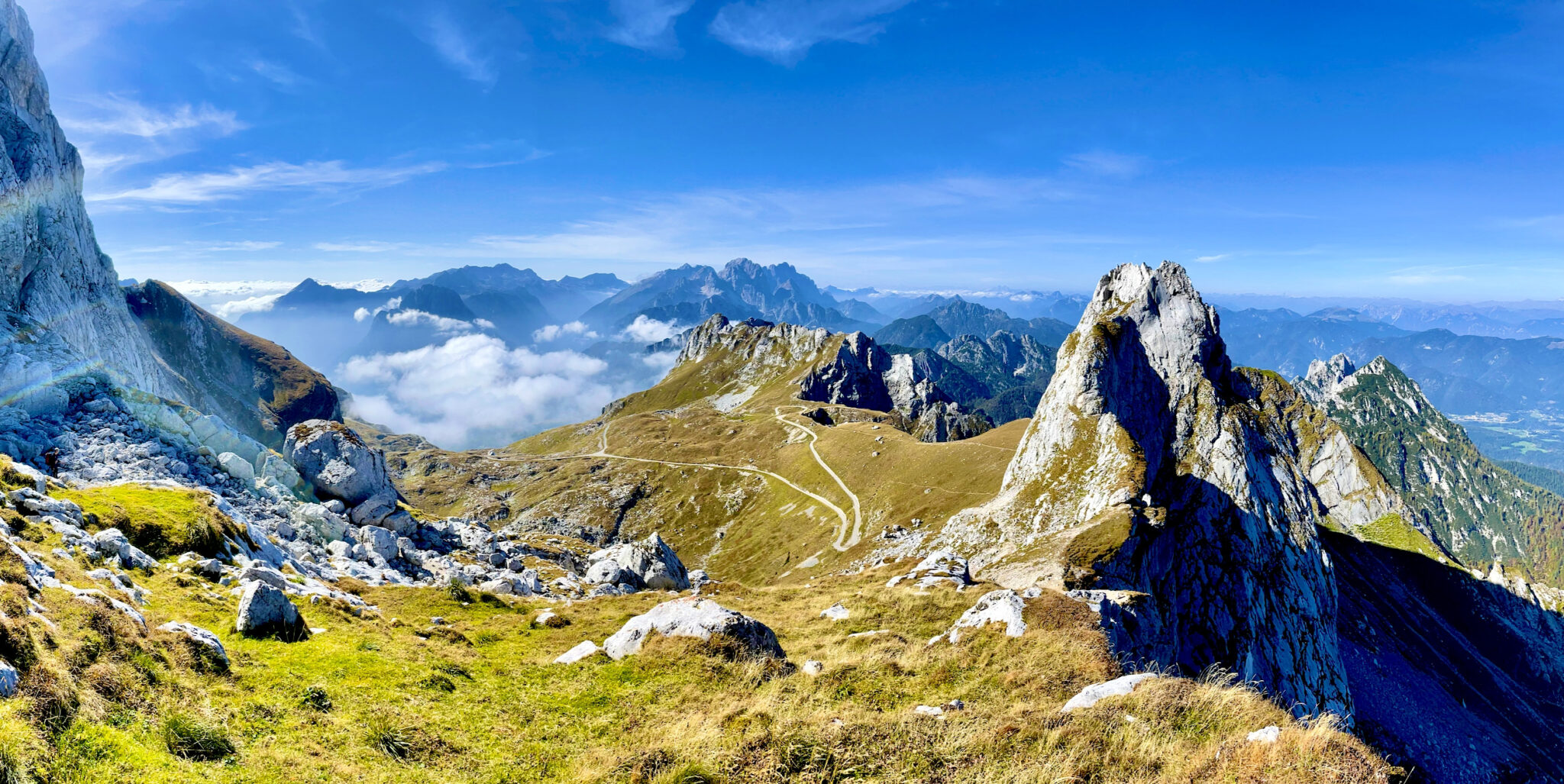
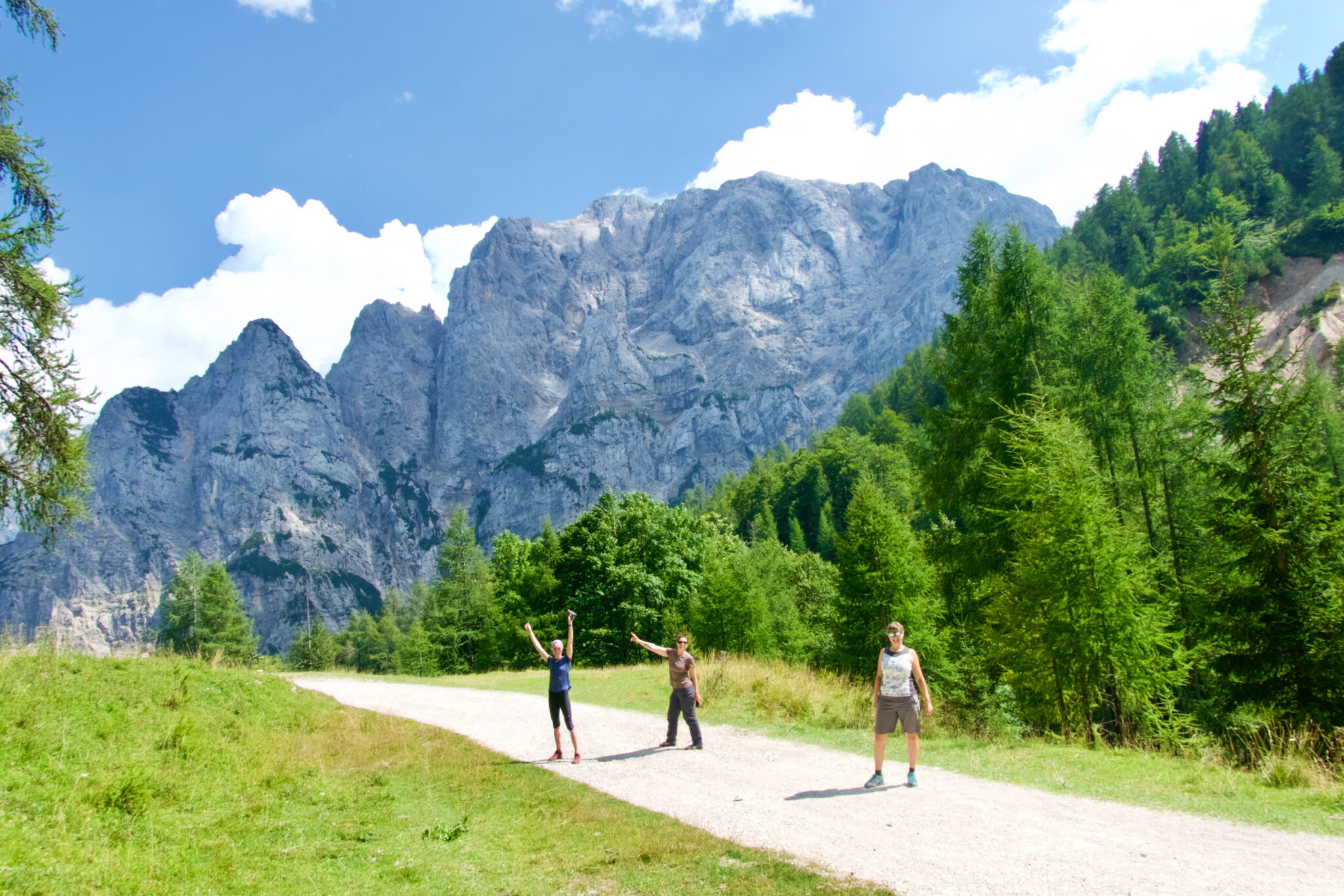
Beautiful and rugged, the Julian Alps have unbelievable charm. Towering mountains, boulders scattered along long scree slopes under unforgiving crumbly limestone walls, streams plunging into sudden gorges. Yet in between all that, you’ll find soft sun-stroked meadows which explode with colorful wild flowers in the summer, enchanting forests and high peaks with hypnotic views. The northwestern Julian Alps might even be the most photogenic corner of the Slovenian mountains, and Mangart, the third highest peak of Slovenia, together with the highest road to its Mangart Saddle at 2,055 meters their very best gems.
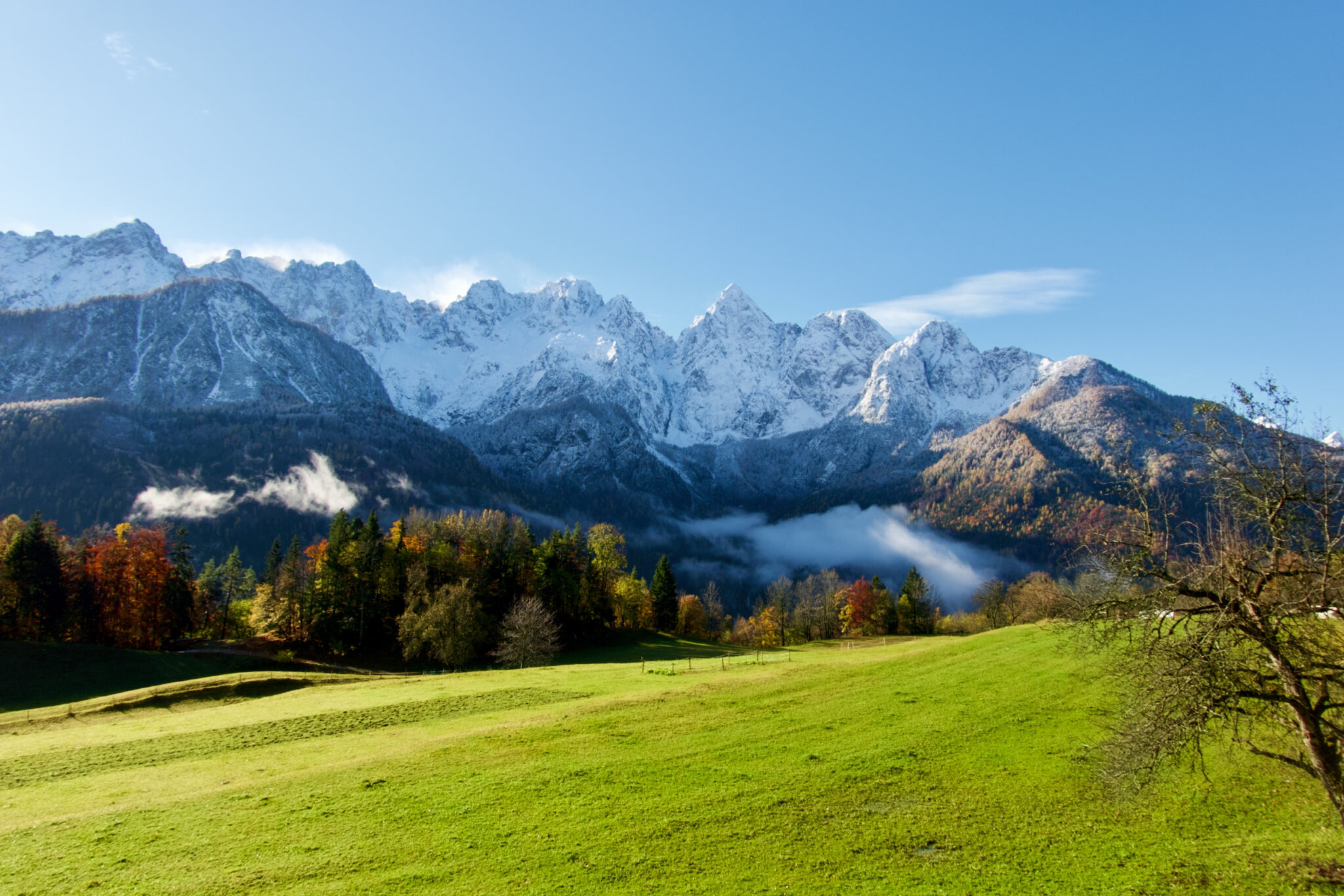
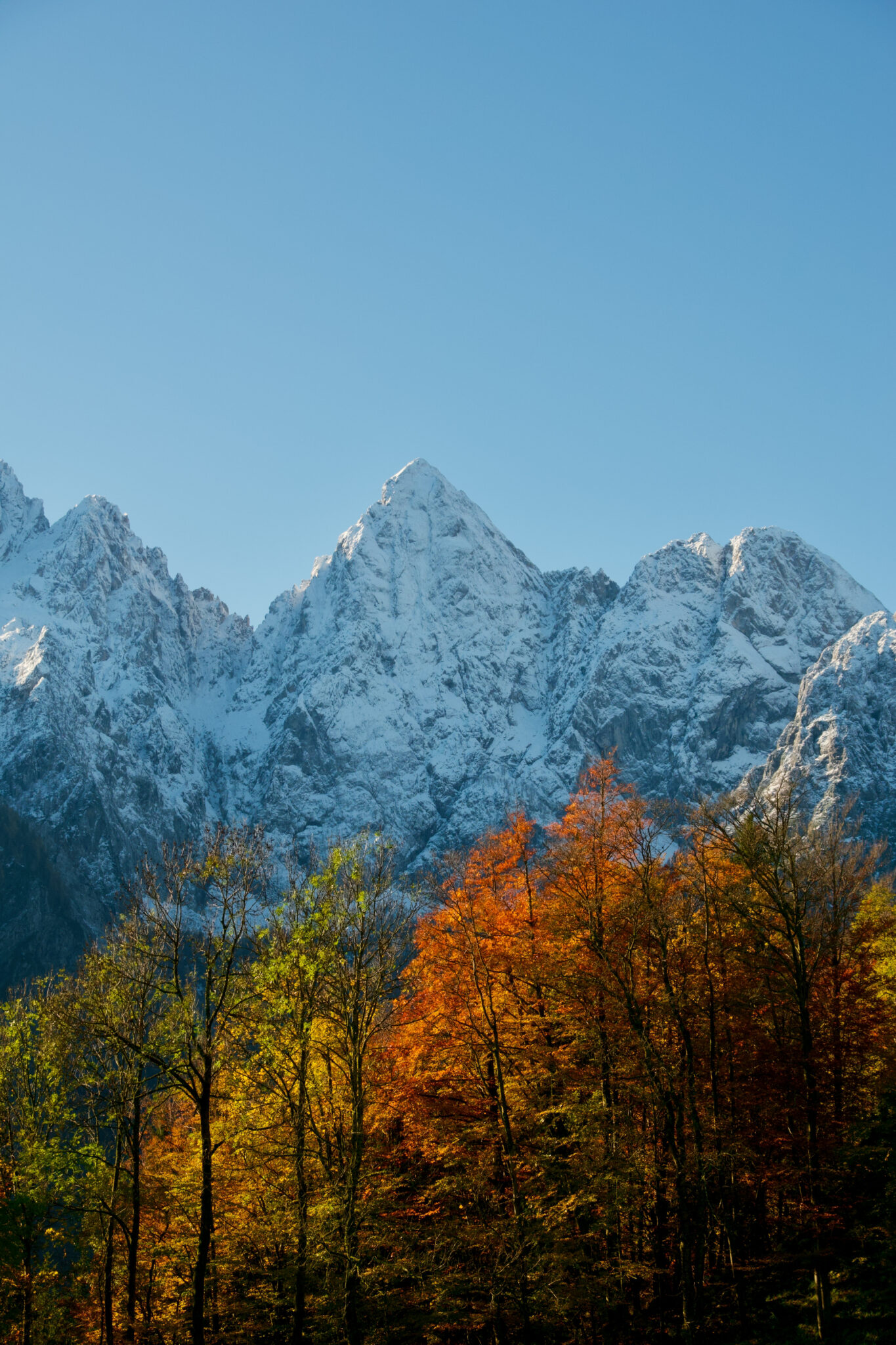
As we were driving towards the mountains, the soft morning light, caught in the forested slopes of the Karavanke mountains on the right and the craggy peaks of the Julian Alps on the left, added to the vibrancy of a beautiful autumn day. The contrast between the freshly covered snow-capped peaks and the explosion of colors in the forest lower down was mesmerizing. Anything from virgin white to bright green, red, yellow and orange-brown, all set against a clear blue sky with an occasional streak of fog still lingering in the fresh air. The kind of perfection that can only be seen right after a good long downpour.
The most beautiful view of the Julian Alps from Srednji Vrh , a tiny village located 7 km from Kranjska GoraSnowy Špik as seen from Srednji Vrh
As the owner of a touring agency and a mountain guide, I feel fortunate to spend so much time exploring Slovenia’s mountains—reaching beautiful, remote places that many people only dream about. Whether it’s a daring ascent of Triglav, Slovenia’s highest peak, wandering through colorful meadows in the remote mountains above Jezersko, or a dreamy hike in the hills around Lake Bled—we’ve done it all, and it’s been pretty incredible.
This past summer, Tracey, a wonderful guest from Australia with whom I shared two great via ferratas, asked me whether I ever influence people’s decisions when choosing a tour. Beyond making professional recommendations based on a guest’s skills and experience, I have to admit that I do. To be honest, I often try to weave a bit of my own hiking wishes into the decision-making process—and that’s not necessarily a bad thing. In the end, our guests get to experience the very best places at the best possible time of the season.
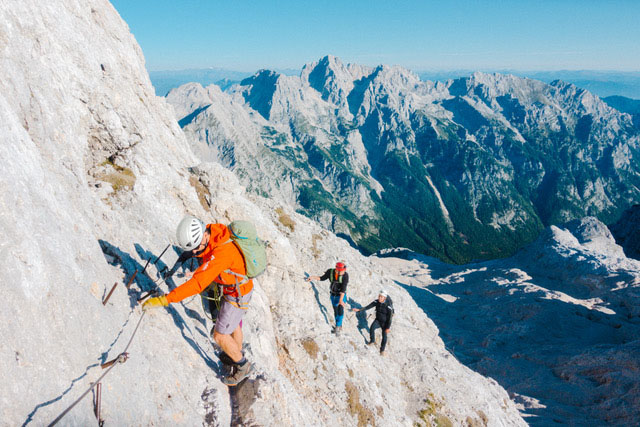
When the mountains are in bloom, we choose the most beautiful routes among fragile daffodils, crocuses, wild orchids, gentians, edelweiss, and more. When heavy rainfall fills the enchanting 7 Triglav Lakes to the brim—and sometimes beyond—we happily skip other hikes and head there instead. When it’s time for a breathtaking via ferrata, we climb Mala Mojstrovka; when we’re after something more challenging, we take on the bold ascent of Mangart, the third highest mountain of Slovenia, or the lovely Gradiška Tura, even if it means a longer drive than the more popular routes nearby.
Having explored the Slovenian mountains for decades, I can confidently say that those who have trusted Exploring Slovenia have never been disappointed—biased or not.
To prove that, here are ten highlights of our best mountain hikes and climbs in the summer season 2023. Enjoy!
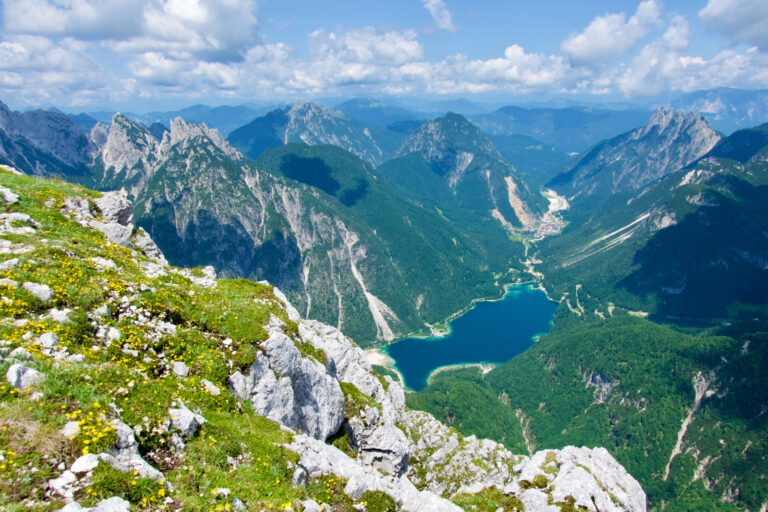
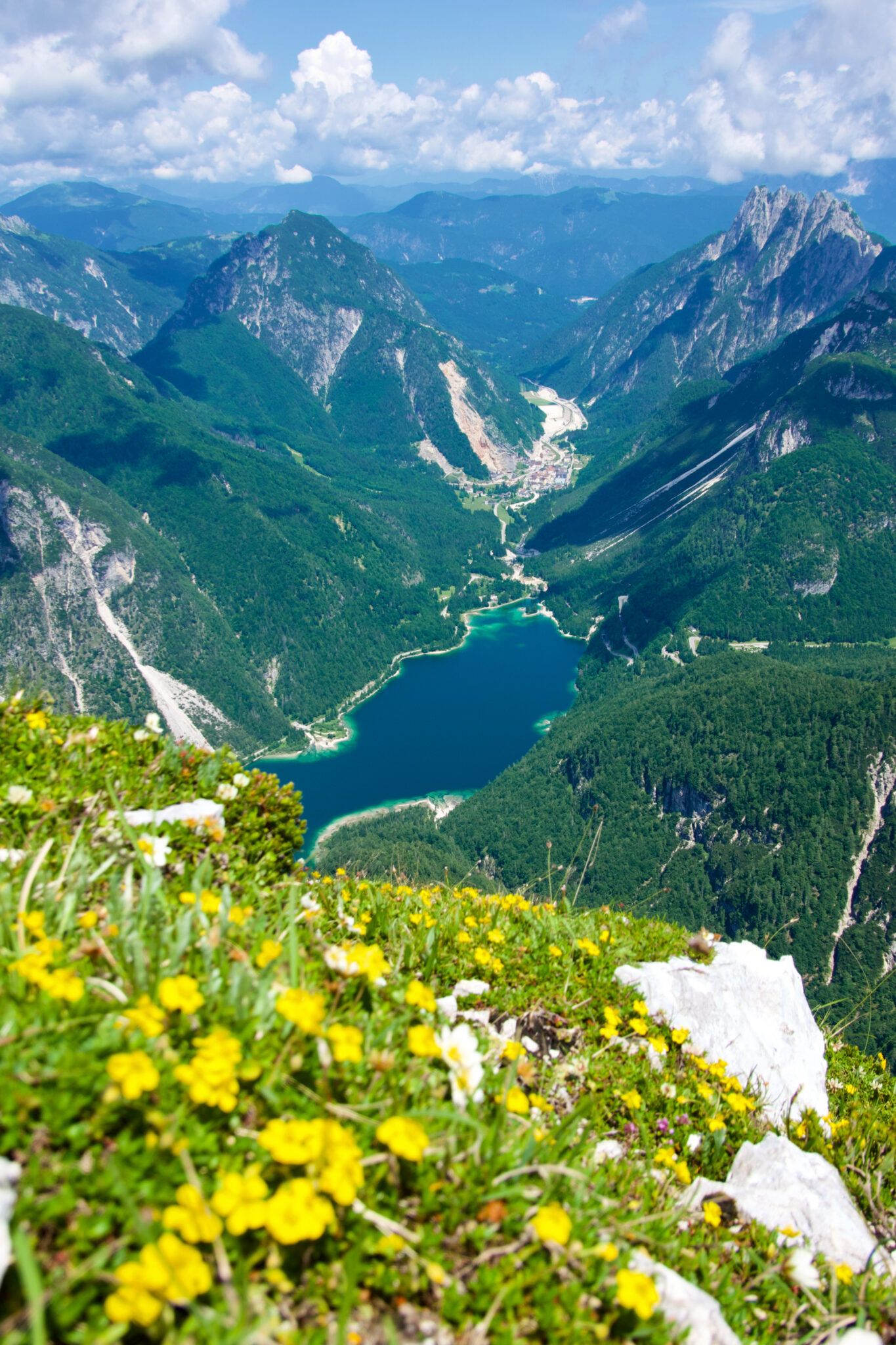
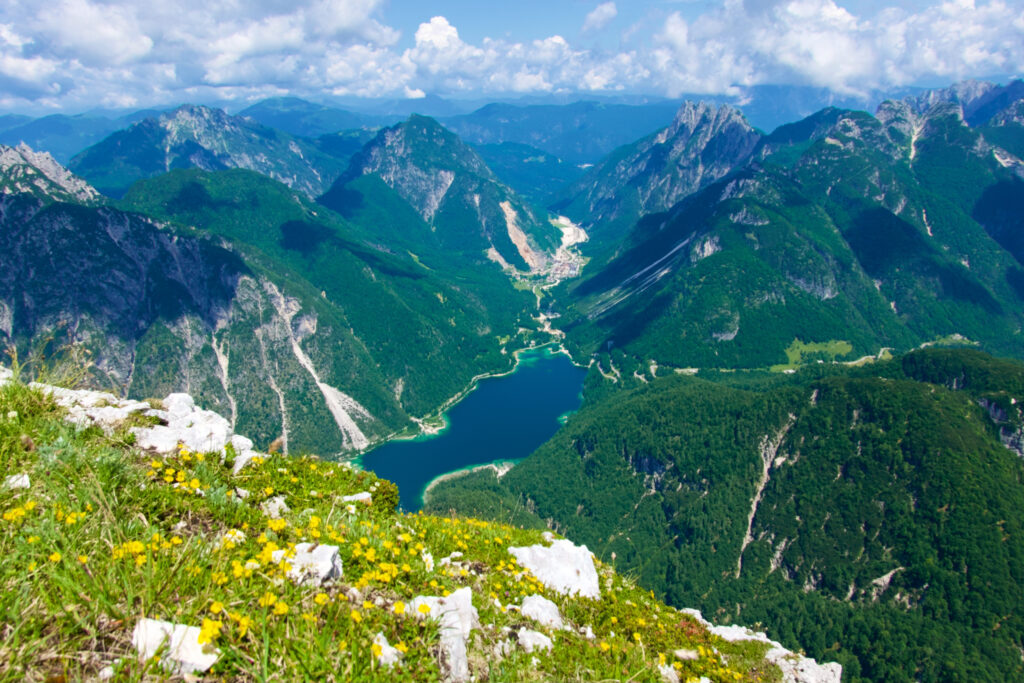
To be quite honest, I had been eyeing this peak for years. A moderately demanding day hike in the Julian Alps, whose peak opens up to absolutely stunning views of a lake. Mt. Jerebica is a beautiful hike throughout, but its top will literally blow your mind away as it faces the 1,400-m long and 400-m wide glacial Rabeljsko Jezero (Eng. Lake of Predil) from a thousand meters above. Yet, as much as I devote my life to the mountains, Jerebica has always managed to slip by somehow. A couple of years ago I even attempted to hike it but failed badly due to the lack of preparation. Yes, one wrong turn right at the beginning of the trail can eventually lead you into a maze of wide and deep Karst holes and cracks instead of taking you to the comfortable grass-covered peak with a view of a turquoise lake. However, once I did manage to climb Jerebica – I was not disappointed!
Here’s what you need to know about the hike in the Julian Alps above a beautiful lake.
Wowowow the Soča River and other rivers and waterfalls of the spectacular Soča Valley 😍😍😍
You are welcome to join our next trek in Slovenian mountains and the Soča Valley - find details on the website: http://www.exploringslovenia.com